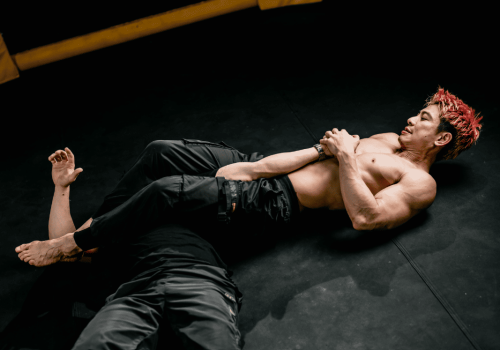
Most fighters put everything into their training with hard rounds, heavy sparring, strength work and drilling until the technique is automatic. But for many, the thing that eventually limits progress has nothing to do with effort. Tight hips restrict your kicks. Stiff shoulders slow your punches and poor recovery means you’re never quite fresh enough to perform at your very best. The work is there, but the body just isn’t keeping up.
Yoga addresses exactly that, not as a substitute for MMA training but as a direct support for it. Helping to build mobility, stability, breath control and recovery capacity that hard martial arts training demands. Here are 4 excellent reasons why Yoga should be a part of training.
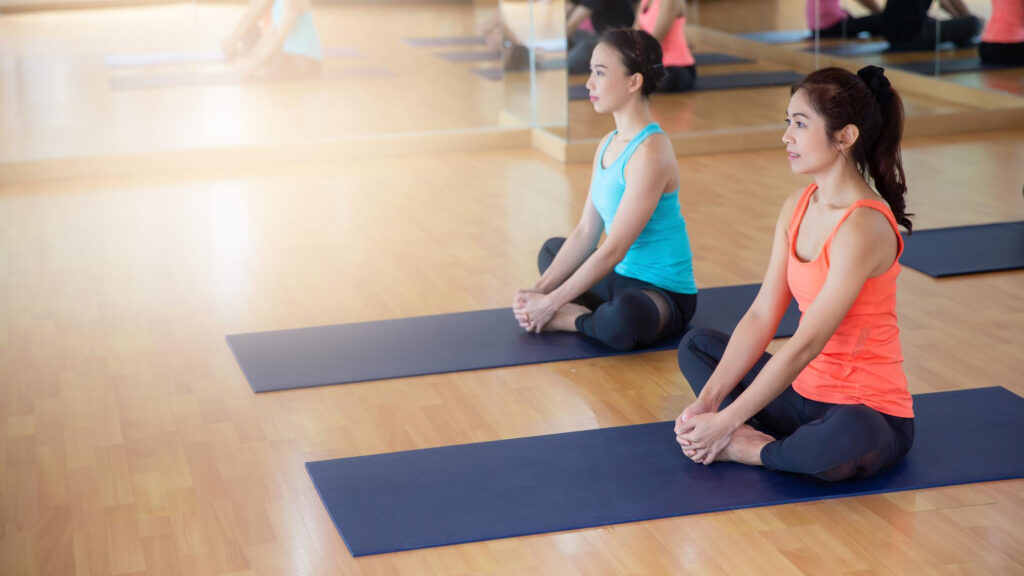
1. Better Mobility for Cleaner Technique
High kicks, deep guard work, sprawls and rotational strikes all require genuine freedom of movement through the hips, shoulders and spine. When those areas are restricted, technique suffers and most fighters compensate by forcing movements, which places unnecessary stress on joints and increases the risk of injury over time.
Yoga develops flexibility alongside strength, so the range you gain is range you can actually control. Consistent practice opens the hips for higher, more fluid kicks, reduces the shoulder tension that builds from punching, and improves spinal rotation for more powerful, efficient strikes. Movement becomes cleaner, and the body handles hard training sessions with less strain.
2. Stronger Core and More Stable Joints
Every punch, kick and takedown generates force through the core and transfers it outward. That chain only works when the stabilising muscles supporting it are strong. Weightlifting and technique drilling build the obvious muscles, yet yoga targets the deeper ones that protect your joints and keep your mechanics sound under pressure.
Holding positions with precision builds strength through the core, glutes and the smaller muscles around the shoulders and knees that fighters rely on constantly. Better joint stability means cleaner force transfer, improved balance during exchanges, and fewer of the nagging injuries that quietly disrupt training consistency.
3. Breath Control Under Pressure
When sparring intensity climbs, breathing is usually the first thing to go. Once it becomes shallow and uncontrolled, fatigue accelerates and decision making deteriorates. Yoga helps to train the ability to maintain steady, deliberate breathing while under physical stress and this is a skill that transfers directly onto the mat and into the ring.
Developing that control means better oxygen delivery, a steadier heart rate and sharper thinking when it counts. In a hard round, that translates to better timing, more precise reactions and the composure to make smart decisions rather than reactive ones.
4. Smarter Recovery
Hard training breaks the body down. Without proper recovery, fatigue accumulates, progress stalls and the risk of injury climbs. Yoga supports the recovery process by increasing circulation, releasing tension in overworked muscle groups and encouraging movement in areas that take the most punishment in martial arts training.
Fitting in a gentler yoga session after heavy sparring or strength work can meaningfully reduce soreness and leave you better prepared for the next session. Over the long term, that consistency compounds. Development in martial arts takes years of steady, uninterrupted training. Protecting the body so that training can continue is central to long term progress.
Integrating yoga alongside your training at Marrok Group creates a more complete approach to performance, and one that keeps you moving well, recovering properly and showing up ready to work.